Current news
Notes from the field
Jim writes most weeks about what he is seeing in Midwest fields — weather, disease pressure, nutrient timing and the biology underneath it all.
-
Updating Soil Testing Methods
Traditional soil testing was never designed with biology in mind. Conventional soil tests may not be telling the full story about your soil.
-
Late Grain Planting
Due to a late spring planting and wet variable weather this fall, fall grain planting and harvest are behind schedule. Here are some guidelines.
-
Grain Harvesting Issues: Corn & Soybeans
Ohio’s grain harvest is underway, but wet weather, delayed dry down and crop quality concerns are creating challenges for farmers.

National No-Tillage Conference
Presentations
Digging Deep into Nutrient Content & Function
James J. Hoorman, Hoorman Soil Health Services
Understanding Biologicals
James J. Hoorman, Hoorman Soil Health Services
Fact sheets
Start with the fundamentals
Free, printable references written for farmers and agronomists, not for journals.

Soil Nutrients Fact Sheet
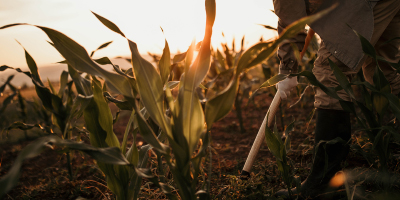
Converting to No-Till Using Cover Crops

How No-Till Improves Your Land Value
Our story
The Hoorman farm
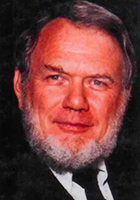
Jim and Marlene Hoorman reside in Hancock County, Ohio south of Findlay at Jenera, Ohio on a 40-acre farm. Jim has been working in agriculture and farming since he was 13 years old, first picking strawberries then working for Kleman Brother’s Farm as a hired hand.
Jim attended Ottawa-Glandorf High School and was an honor student and active in 4-H and Boy Scouts. Jim was also diagnosed as a diabetic and has lived with this condition for over 44 years.
Research library
Weeds, nutrients and the biology in between
Using Cover Crops as an IPM Tool for Managing Hard-to-Control Weeds
Overuse of glyphosate and the evolution of glyphosate-resistant weeds poses one of the greatest threats to conservation tillage.
Weeds in Cover Crops: Context and Management Considerations
Cover crops are increasingly adopted to improve soil health, manage nutrients and decrease erosion. It is not uncommon for weeds to become part of that plant community.
Soil Nutrients Fact Sheet
Availability depends on three things: the chemical form the plant can take up, proximity to an actively absorbing root, and whether the nutrient is soluble.
Best of ‘22: No-Tilling in Wildly Different Regions, Encouraging Better Root Growth & More
Jim Hoorman discusses how micro-nutrients may be one of the best ways to improve no-till crop yields. Over the past 160 years, many farms have been tilled and, due to soil erosion, lost soil, soil organic matter and the attached micro-nutrients.
Humic, Fulvic and Microbial Balance: Organic Soil Conditioning
From the Amish of Ohio to the crops of California, through documented research from universities around the world, explore nature’s natural balance.